
17. September 2026
Light:Guard » News » Case Study: ADLS at wind farm Sønder Bork in Denmark
Case Study
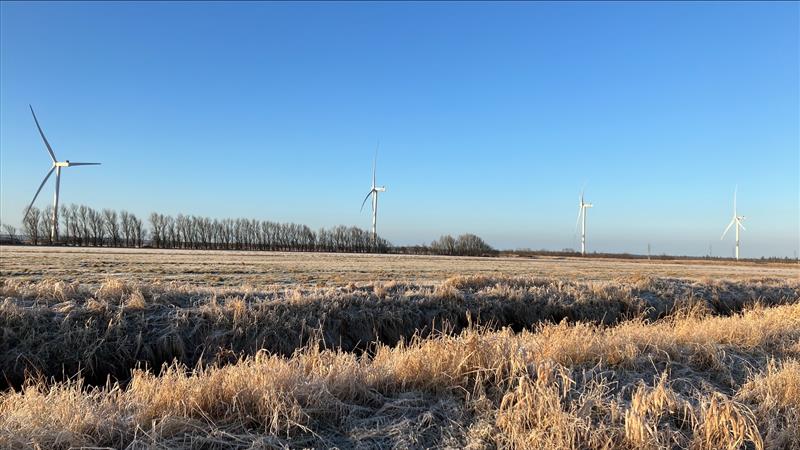
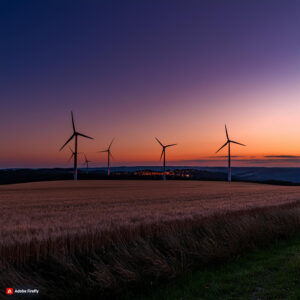
The Sønder Bork wind farm is located in Denmark’s Midtjylland region, close to the North Sea cost. It consists of five Vestas V162 wind turbines with a total capacity of 30 megawatts.
In preparation for the planned introduction of an Aircraft Detection Lighting System (ADLS) in Denmark, this wind farm was selected as a pilot project. Together with the operator, the project was intended to demonstrate what an ADLS could look like under Danish legislation. In this initial phase, the ADLS was operated exclusively in reporting mode, without switching off the obstacle lighting.
Normally, an ADLS suppresses the lighting at a wind farm as long as no aircraft is in the vicinity. Detection is carried out using transponder signals. For this pilot project, the light:guard Aircraft Detection Lighting System (ADLS) was installed and reliably detected aircraft.
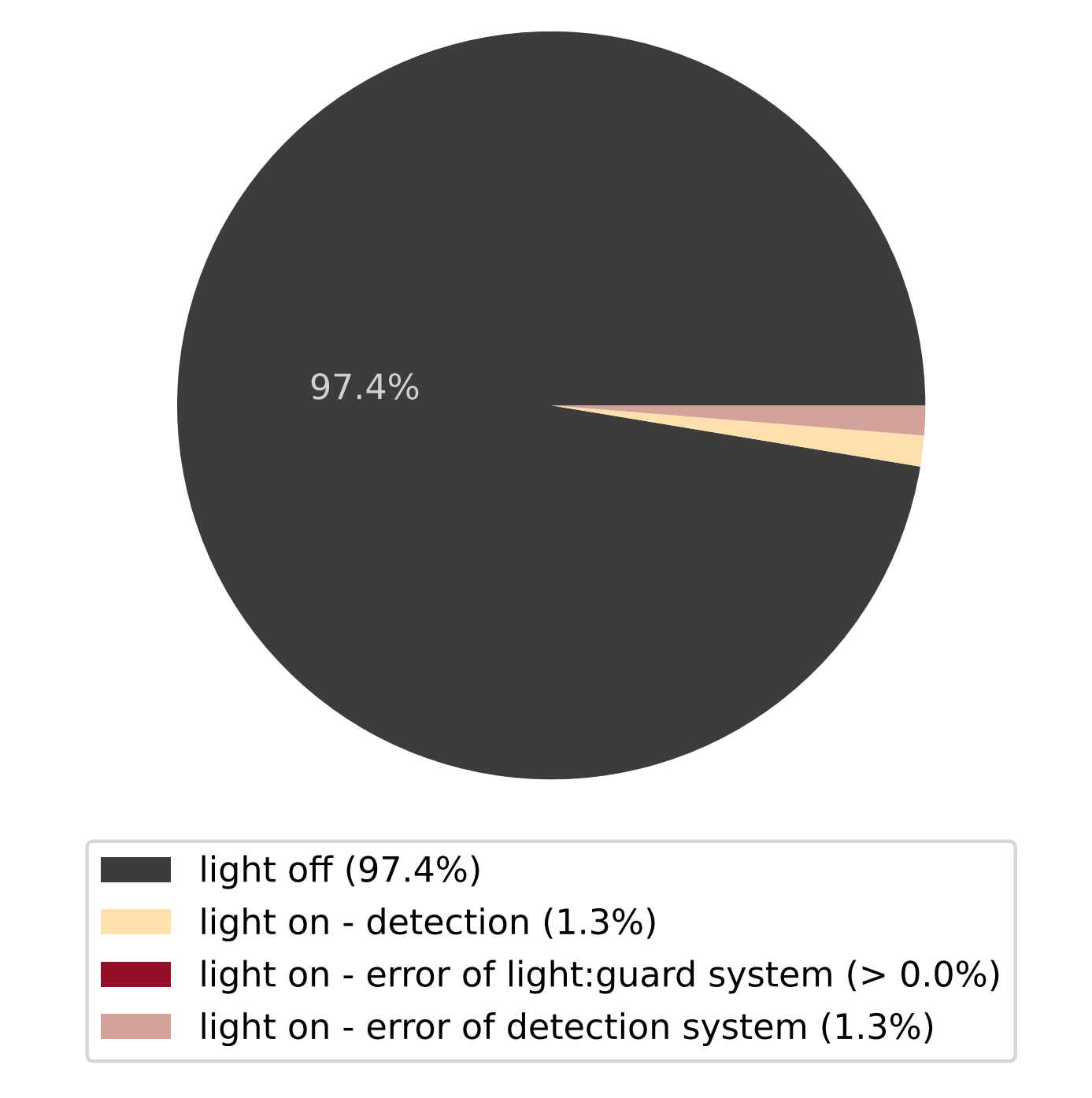
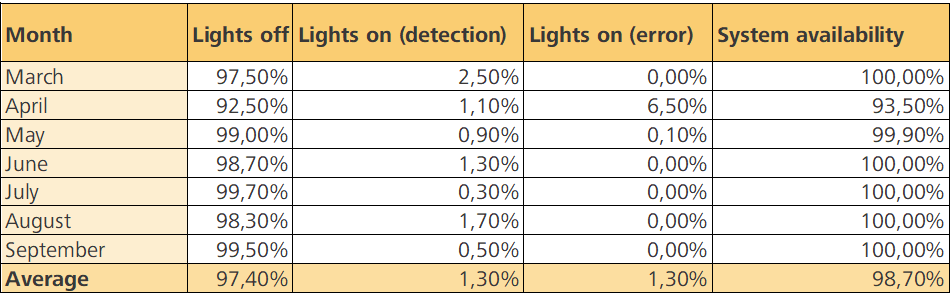
To analyse when the lights would be switched on and off, a virtual Light Control Unit was developed to simulate control of the lighting. The data was evaluated over a period of six months, from March 2026 to September 2026. The average lights-off time was 97.4 %, and system availability was 98.7%. This demonstrated the functionality and performance of the light:guard system under the coming legal framework in Denmark.
The Sønder Bork wind farm is located in the Midtjylland region of Denmark, close to the North Sea coast. It consists of five Vestas V162 wind turbines with a total capacity of 30 MW, or 6 MW per turbine. The site is located in a rural area, far from larger towns.
In the past, local residents have expressed their dissatisfaction with the light pollution caused by the nighttime flashing of wind turbines. An Aircraft Detection Lighting System—one that activates the flashing only when an aircraft approaches—would resolve this issue.
There is currently no legislation in Denmark that permits Aircraft Detection Lighting Systems at wind turbines. Corresponding legislation Udkast til BL 3-10 is in preparation, but has been postponed several times. Sønder Bork is therefore Denmark’s first ADLS pilot project. The project was intended to demonstrate what an ADLS could look like under the coming legal framework in Denmark. To this end, the pilot project was planned as a reporting project together with the operator.
The legal requirements for ADLS in Denmark are already largely known. For example, Danish regulations require aircraft to be detected from an altitude of 300 feet, approximately 91 m, above ground level. This made it possible to define the framework conditions clearly and simulate the ADLS realistically at the wind farm.
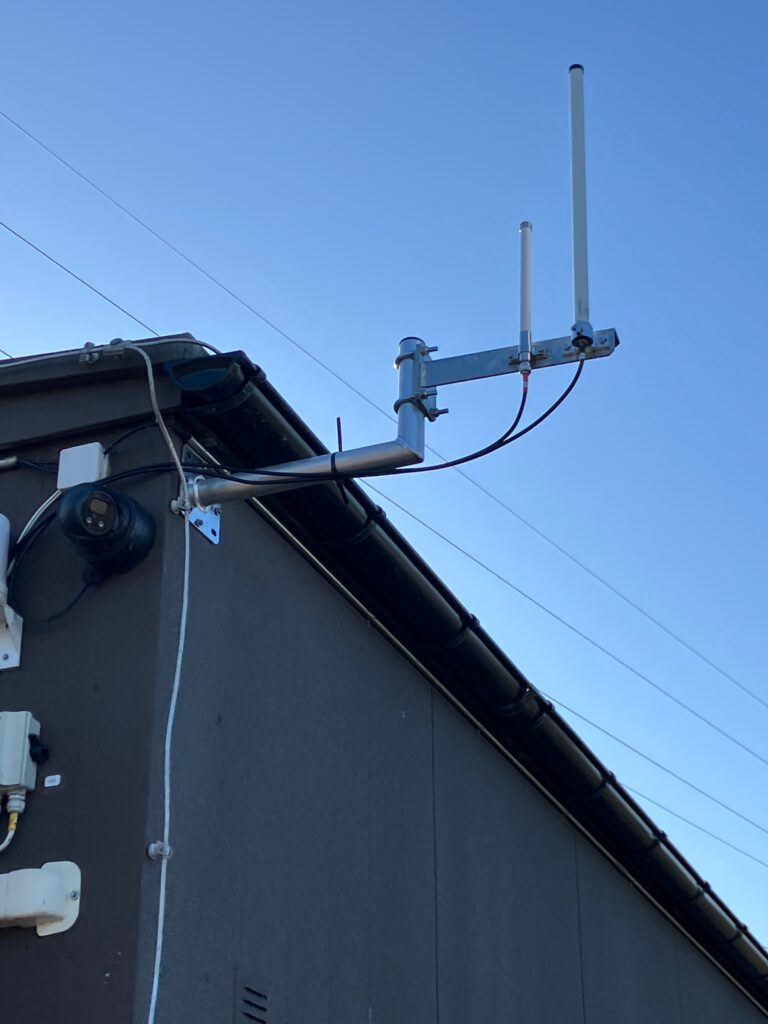
While Light:Guard Receivers (LGRs) are typically installed at heights of 80 to 175 m above ground level at German wind farms, the Sønder Bork site only permitted installation at ground level, with the antennas positioned at a height of approximately 5 m. Based on current knowledge, this is the world’s lowest receiver installation for an ADLS.
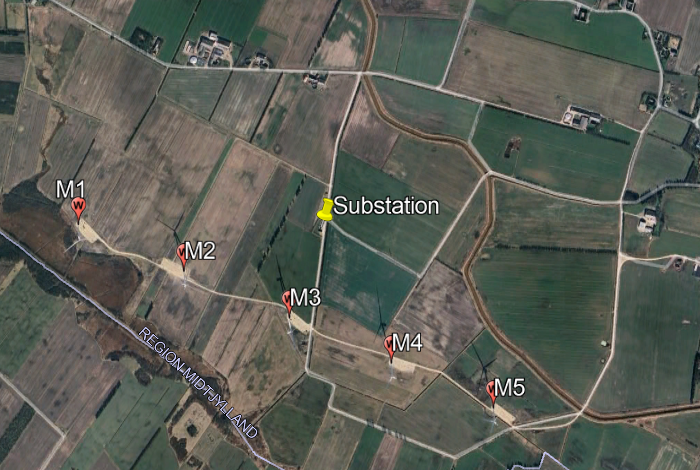
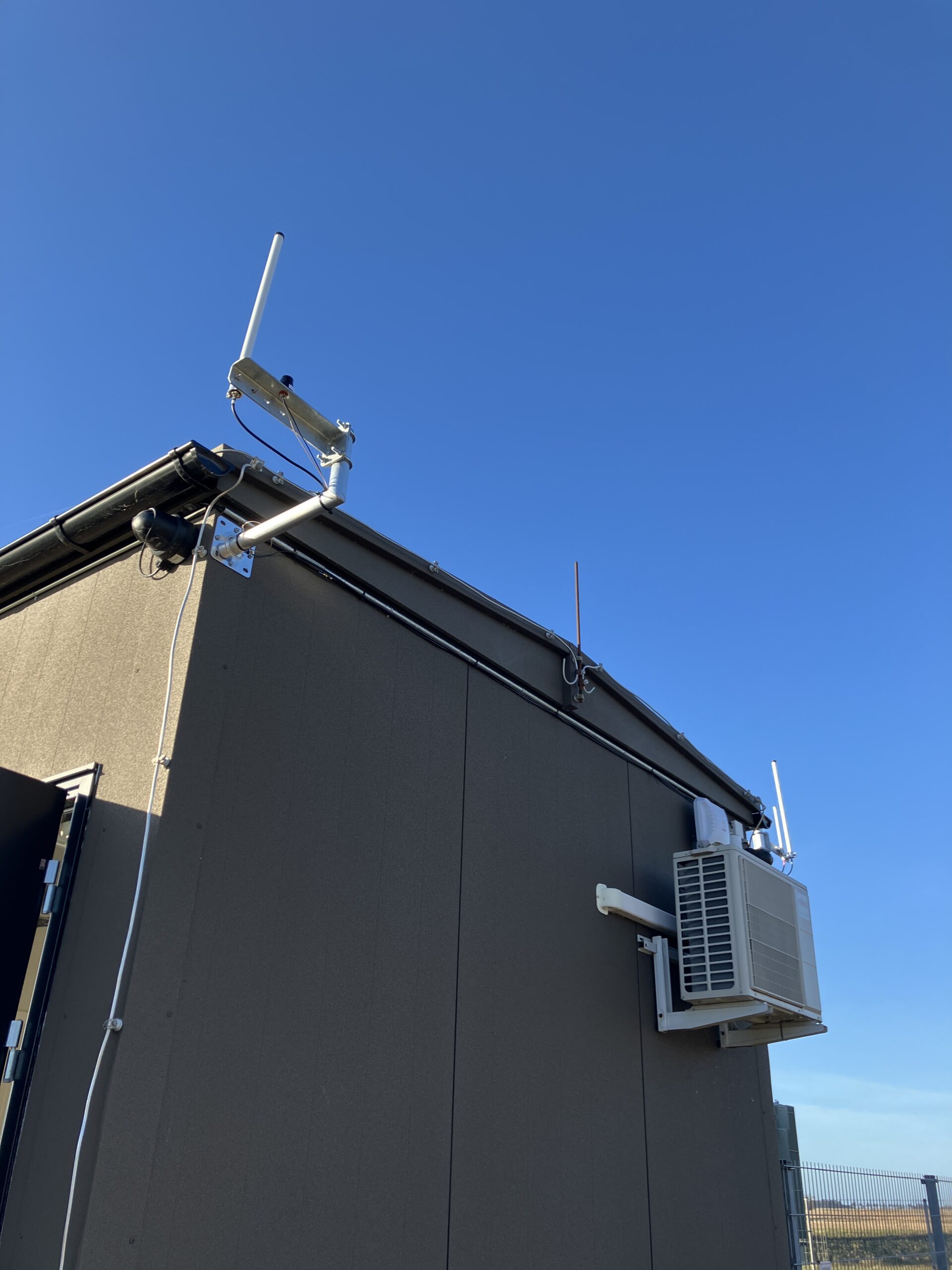
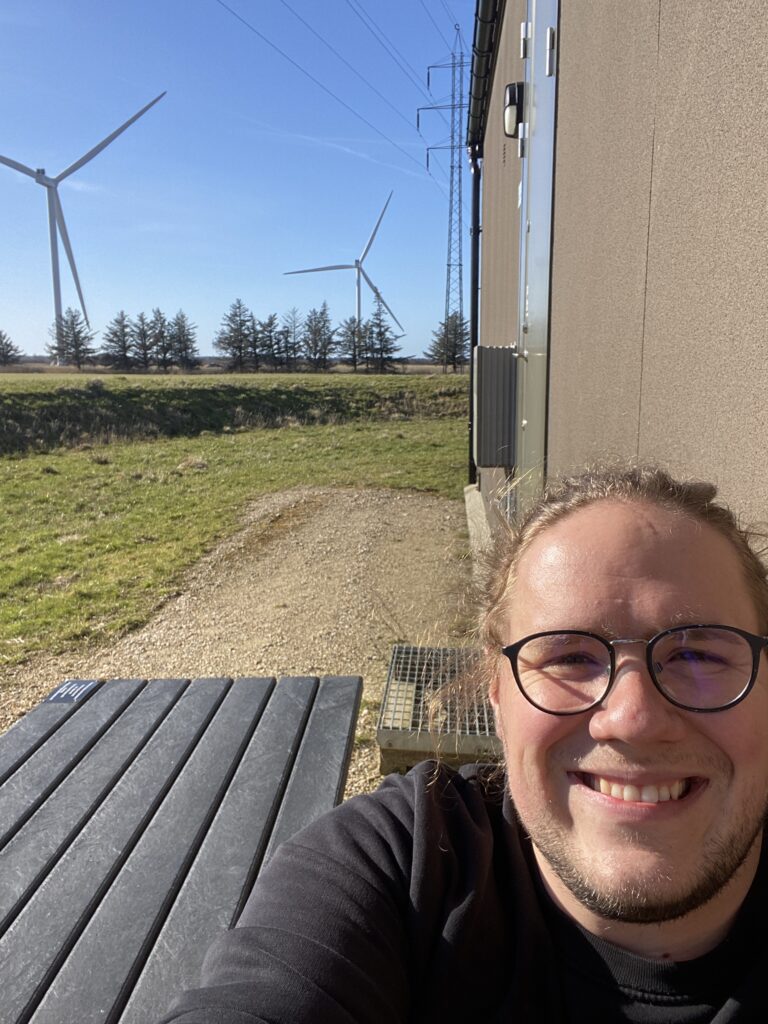
A Light:Guard Receiver was installed to detect aircraft in the area surrounding the Sønder Bork wind farm. Hardware specialist Heiko Nöldeke travelled to the site in March 2026 to install the receiver. Together with the Danish project partner, the receiver was installed at ground level and the antennas were mounted on the outside of the substation.
Because the lighting of the five turbines could not yet be suppressed by the light:guard system due to the lack of legislation, the Aircraft Detection Lighting System was simulated. A virtual Light Control Unit (LCU), developed specifically for this project, was used for this purpose. Normally, the LCU controls the lighting at the wind farm; in this case, it was used exclusively for reporting.
Six months of data, from March 2026 to September 2026, were evaluated to analyse when the lights would be switched on and off. Over this reporting period, the system produced excellent results:
If the light:guard system had been activated, it would have been able to suppress the lighting 97.4% of the time. This corresponds to 1,256 out of a total of 1,290 nighttime hours during which the wind farm would not have flashed. The lighting would have been active for 17 hours due to air traffic and for 16.6 hours due to system errors.
As soon as Denmark approves ADLS, nighttime light pollution for local residents can be reduced to a minimum.
This case study thus demonstrated that the light:guard system operates reliably even under these specific conditions: in a new regulatory environment, with an unusually low receiver installation, and in accordance with the detection requirements established for Denmark.
You can view the ADLS status report via the link below. There, you’ll find the complete data for the six-month period.
Satisfied with the results
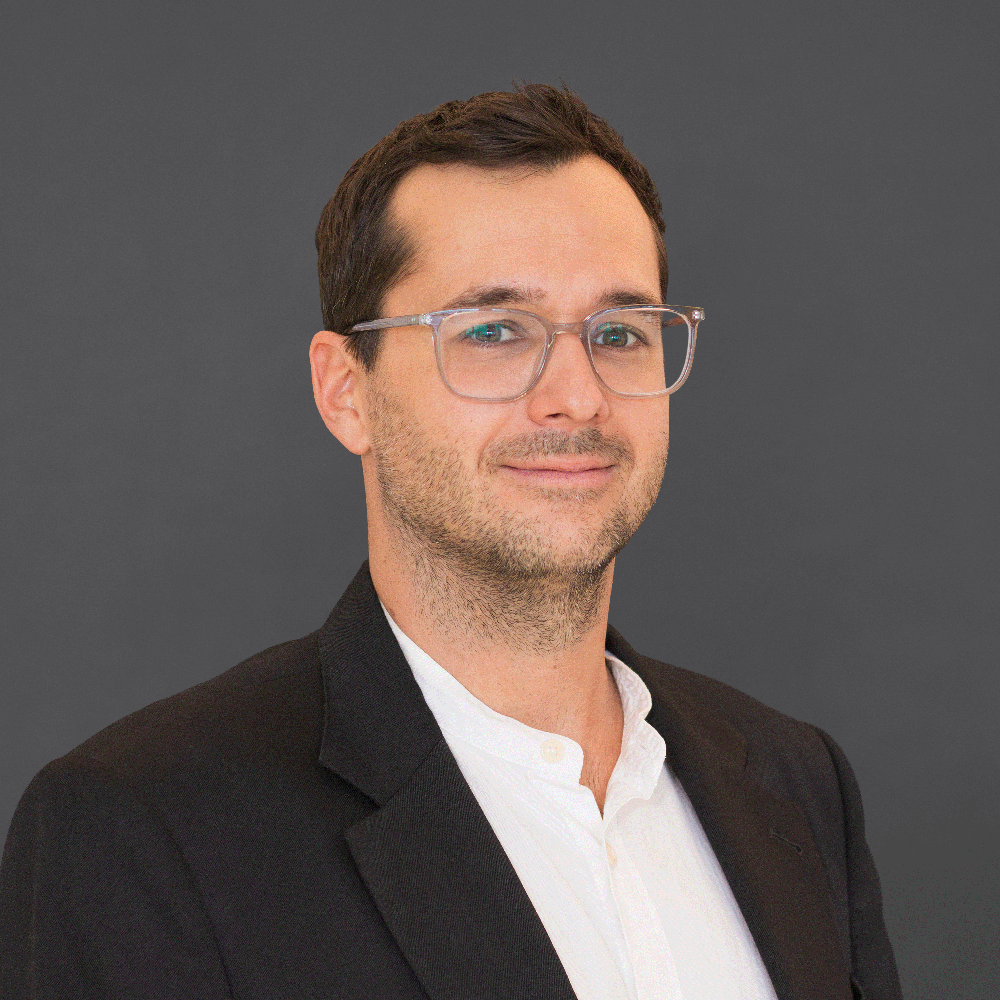
“Many thanks to the Sønder Bork Wind Farm and the Danish Transport Authority Trafikstyrelsen for their trust. Since I’m often in Denmark myself—whether for sailing, attending WindEurope in Copenhagen, or meeting with our strategic partner Vestas—I’m very pleased that we now have the opportunity to be active here as a service provider for the wind industry and for the protection of local residents and nature.”
Felix von Hammerstein, Head of Business Development at Light:Guard
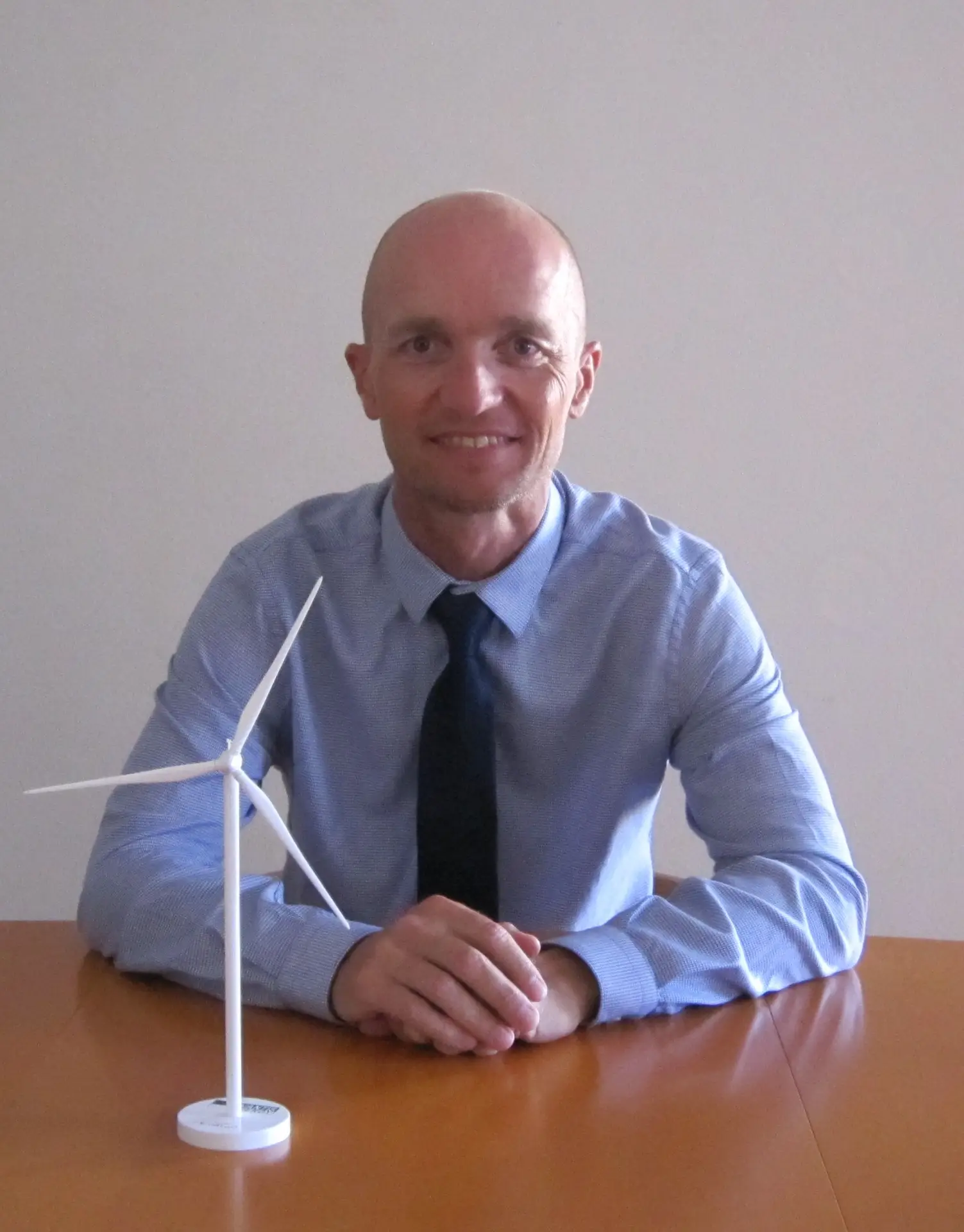
“We have been following the development of the Danish legislation over the past three years. Now we are eagerly awaiting its final approval so that we can offer our solution for the benefit of both wind turbine owners and their neighbors.”
René Aamand, Sales Agent Denmark for Light:Guard
“This isn’t the first—and certainly won’t be the last—pilot project that I’ve had the opportunity to oversee and even install myself. Due to the unusual installation situation near the floor, we adapted the installation plan to suit the circumstances. That makes me all the happier that the system is running so smoothly and that we’ve successfully gotten yet another pilot project up and running.”
Heiko Nöldeke, Hardware specialist at Light:Guard

From the German experts – for your wind turbines. Contact us now for a non-binding offer!
The Sønder Bork wind farm is built and commissioned.
Sdr. Bork Vind K/S and Light:Guard begin working together. They agree to carry out a three- to six-month pilot project. The pilot is intended to test the functionality and performance of the light:guard Aircraft Detection Lighting System in accordance with Danish regulations. In this initial phase, the ADLS is operated exclusively in reporting mode, without switching off the obstacle lighting.
Light:Guard carries out a preliminary analysis at the wind farm to identify the best location for the Light:Guard Receiver (LGR). The so-called line-of-sight analysis produces a positive result. It is decided to install the LGR at the substation.
Due to the legal requirements in Denmark, the turbines cannot yet be switched to dark mode. Instead of installing a standard Light Control Unit (LCU) to control the lighting at the wind farm, Light:Guard therefore develops a virtual LCU. This virtual LCU measures and processes the data. The reports make it possible to determine how often the ADLS was available and how long the flashing could theoretically have been suppressed.
Light:Guard installs the transponder receiver—the Light:Guard Receiver—at the wind farm. It is installed together with the antenna in or on the substation. At a height of five metres above ground level, this is the lowest receiver ever installed at a wind farm.
The light:guard system is commissioned and begins detecting the transponder signals of aircraft. The ADLS pilot project in Denmark begins collecting data.
Ihre Nachricht wurde erfolgreich übermittelt
Unser Vertriebsteam wird sich in Kürze bei Ihnen melden und nach weiteren Informationen zu Ihrem Windpark fragen. Gern stellen wir Ihnen auch die einzelnen Einsatzgebiete der Shutdown Control noch einmal detailliert vor.

Sie entscheiden, welche Varianten der Abschaltung Sie benötigen – beispielsweise die Harvest Control Plus mit automatisierter Abschaltung dank Kamera-Erkennung oder die Harvest Control Light mit Steuerung per App.
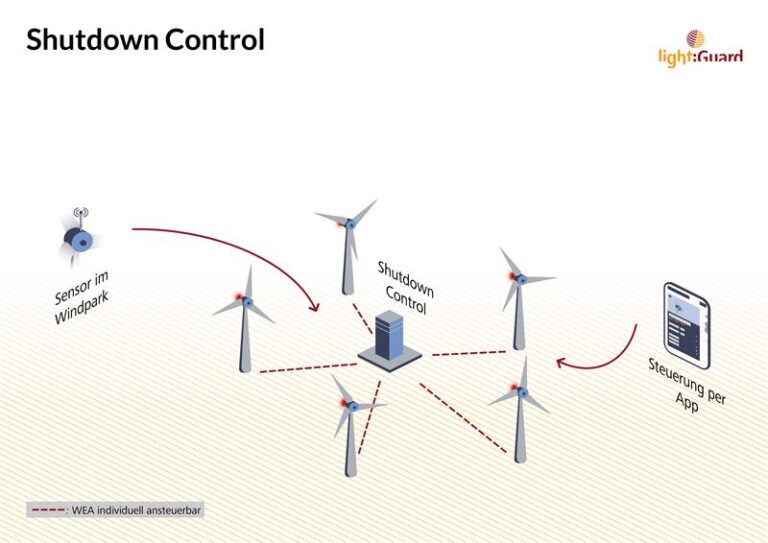
Danach erhalten Sie ein unverbindliches Angebot. Bei Annahme zahlen Sie eine einmalige Summe für den Anschluss und eine jährliche Gebühr für die Shutdown Control. Diese wird verbaut, aktiviert und ihr Windpark erfüllt alle Auflagen.

Stöbern Sie gern weiter durch unsere Website und lesen Sie die neuesten Nachrichten rund um uns und das Thema BNK. Oder folgen Sie uns doch gern auf LinkedIn. Oder machen Sie sich einen Kaffee. Den haben Sie sich verdient.
Ihre Nachricht wurde erfolgreich übermittelt
Unser Vertriebsteam wird sich in Kürze bei Ihnen melden und nach weiteren Informationen fragen, falls nötig. Daraufhin erhalten Sie ein unverbindliches Angebot für Ihren Windpark.
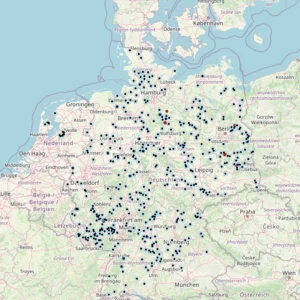
Wir prüfen, ob Ihr Park in einem unserer vermessenen Gebiete steht. Falls ja, muss bei Ihnen kein Light:Guard-Receiver installiert werden.
Danach wird ihr Windpark mit der nötigen Hardware ausgestattet. Diese kann bei Vestas- und Nordex-Anlagen auch schon ab Werk verbaut werden. Dann wird Ihr Park an unser System angeschlossen und die Anlagen dunkel geschaltet.
Stöbern Sie gern weiter durch unsere Website und lesen Sie die neuesten Entwicklungen zum Thema Bedarfsgesteuerte Nachtkennzeichnung. Oder schauen Sie dieses Video von BNK in Betrieb. Oder folgen Sie uns doch gern auf LinkedIn. Oder machen Sie sich einen Kaffee. Den haben Sie sich verdient.
Your personal contact